


Capacitive Touch Screen - Advanced Interaction in China
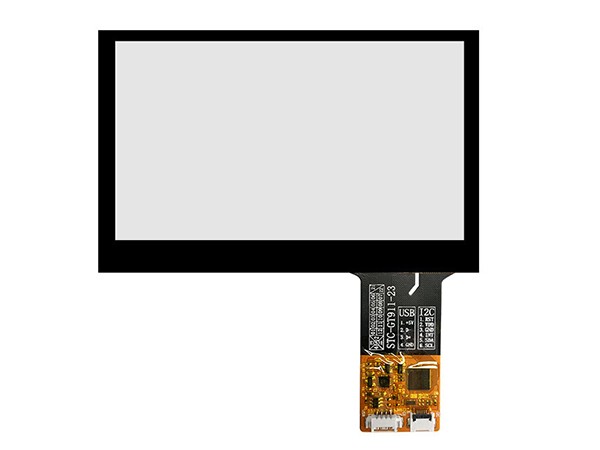 Capacitive Touch Screen has transformed the way people interact with electronic devices, providing smooth, responsive, and intuitive control. Found in smartphones, tablets, kiosks, automotive interfaces, and industrial equipment, these screens have become an integral part of modern technology. Their ability to detect touch through electrical properties enables precise input, multi-touch functionality, and a sleek, durable design. Capacitive touch screens continue to shape user experiences across various industries, combining functionality with modern aesthetics.
Understanding Capacitive Touch Screen Technology
A capacitive touch screen operates by detecting changes in an electrostatic field when a conductive object, such as a human finger, comes into contact with the screen surface. Unlike resistive touch screens, which rely on pressure, capacitive screens respond to electrical properties, allowing for smoother interaction and faster response times. The screen typically consists of a glass substrate coated with a transparent conductive material, such as indium tin oxide (ITO), which forms a grid of sensors to detect touch points. When the user touches the surface, the system registers changes in capacitance and translates them into precise input signals.
Components of a Capacitive Touch Screen
The main components of a capacitive touch screen include the glass substrate, conductive layer, protective overlay, and controller. The glass substrate provides structural integrity, while the conductive layer senses touch. The protective overlay ensures durability and scratch resistance, maintaining the screen’s functionality over time. The controller processes the electrical signals from the conductive layer, converting them into usable data for the device’s operating system. Together, these components create a responsive and reliable interface for users across a wide range of applications.
Applications Across Industries
Capacitive touch screens are utilized in numerous industries due to their precision, durability, and user-friendly interface. In consumer electronics, they are standard in smartphones, tablets, and wearable devices, enabling intuitive navigation and multi-touch gestures. Automotive interfaces use capacitive screens for infotainment systems, navigation controls, and climate adjustments, providing drivers with easy and safe access to information. In industrial and medical environments, these screens are incorporated into control panels, diagnostic equipment, and interactive displays, offering precise input and easy cleaning due to their sealed surfaces. Retail and kiosk solutions also employ capacitive screens for point-of-sale systems, self-service terminals, and interactive advertising displays.
Advantages of Capacitive Touch Screens
Capacitive touch screens provide several benefits over traditional input methods. They offer high sensitivity, smooth touch response, and support for multi-touch gestures, enhancing the overall user experience. The screens are highly durable, resistant to scratches, and maintain clarity and functionality over time. Their glass surface allows for easy cleaning, making them suitable for environments where hygiene is critical. Additionally, capacitive screens support sleek, modern designs, eliminating the need for physical buttons while allowing for large, uninterrupted display areas.
Technological InnovationsRecent advancements in capacitive touch technology include flexible and curved screens, improved transparency, and enhanced sensitivity. Integration with haptic feedback systems enables tactile responses, enhancing user interaction. Edge-to-edge designs and higher touch resolution improve usability, particularly in mobile devices and professional displays. Continuous research in materials and electronics ensures that capacitive touch screens remain reliable, efficient, and versatile across emerging applications.
Conclusion
Capacitive touch screens have become a cornerstone of modern electronic interfaces, combining precision, durability, and intuitive interaction. Their applications span consumer electronics, automotive systems, industrial controls, medical devices, and retail solutions. By enabling smooth, responsive, and multi-touch functionality, capacitive technology enhances user experiences and supports innovative product designs. As technology evolves, capacitive touch screens continue to redefine how users interact with digital devices, merging functionality with sleek and efficient design.