


High Brightness LCD | Visibility & Performance In Displays
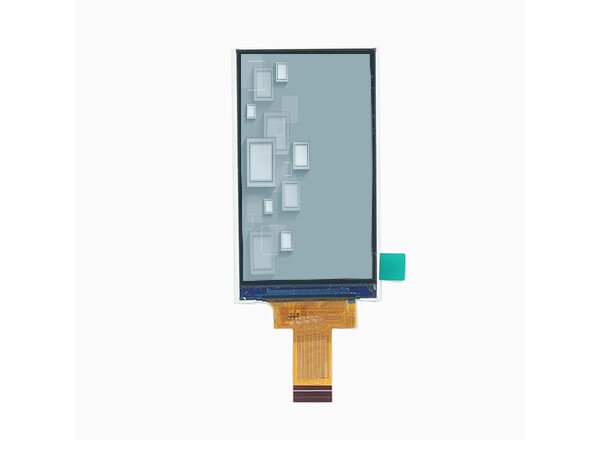
High Brightness LCD are specialized display screens designed to provide clear visibility even in environments with intense ambient light. These displays are widely used in outdoor applications, industrial settings, transportation, and signage where standard LCD screens may struggle with glare or readability. By delivering enhanced luminance, high brightness LCDs ensure content is easily visible under challenging lighting conditions.
Features of High Brightness LCDs
High brightness LCDs differ from conventional screens primarily in their luminance levels, often exceeding 1,000 nits or more. This increased brightness allows the screen to remain readable in direct sunlight or brightly lit environments. In addition to brightness, these LCDs often include anti-reflective coatings, improved contrast ratios, and wider viewing angles, enhancing the overall visual experience.
The production of high brightness LCDs involves advanced manufacturing techniques to ensure consistent luminance and image quality. Backlighting technologies, such as LED or edge-lit arrays, are used to achieve high brightness levels. Manufacturers carefully calibrate brightness uniformity, color accuracy, and response times to produce reliable displays that meet performance expectations in diverse conditions.
High brightness LCDs are utilized in a wide range of industries and applications. In outdoor digital signage, they ensure advertisements and public information are clearly visible. Transportation sectors use these displays in dashboards, ticketing systems, and control panels to maintain readability in varying light conditions. Industrial and medical environments rely on high brightness LCDs for monitoring, instrumentation, and critical operations where visibility is essential.
Benefits of High Brightness Displays
The key benefit of high brightness LCDs is enhanced visibility, ensuring information is readable regardless of lighting conditions. This feature improves safety, efficiency, and user experience in professional and public applications. High brightness displays also maintain color accuracy and contrast, making them suitable for detailed graphics, video content, and precise data visualization.
Designing a high brightness LCD requires attention to factors such as heat management, energy consumption, and durability. High-intensity backlighting generates more heat, which must be managed to prevent performance degradation. Manufacturers also consider energy efficiency and long-term reliability, ensuring the displays operate consistently under extended use and harsh environmental conditions.
Advancements in display technology continue to improve the performance and efficiency of high brightness LCDs. Innovations in backlighting, anti-glare coatings, and adaptive brightness control contribute to better visibility, lower power consumption, and longer lifespans. As demand grows for outdoor and industrial displays, manufacturers focus on creating screens that deliver exceptional clarity, reliability, and versatility.
Conclusion
High brightness LCDs provide superior visibility and performance in challenging lighting conditions. Through advanced backlighting, precise manufacturing, and careful design, these displays meet the needs of industries that require readability, durability, and reliability. As technology evolves, high brightness LCDs continue to expand their applications, offering enhanced visual experiences in both professional and public environments.