

Products
Hot Product

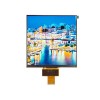
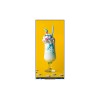
High Brightness LCD
| NO. | Part Number. | Size (inch) | Display Format | View Direction | Interface | Active Area (mm) | Outline Dimension(mm) | Brightness(cd/m²) | Remark |
|---|---|---|---|---|---|---|---|---|---|
| NO.16 | R80007 | 8.0 | 1200x1920 | IPS | MIPI | 107.64×172.224 | 122.44 ×183.67 | 1000 | MP |
| NO.17 | R80006 | 8.0 | 800x600 | TN | RGB | 162.0x121.5 | 183 .0×141.0 | 250 | MP |
| NO.18 | R80004 | 8.0 | 800x1280 | IPS | MIPI | 107.64×172.224 | 114.66 ×184.16 | 500 | MP |
| NO.19 | R80035 | 8.0 | 1200x1920 | IPS | MIPI | 107.64×172.22 | 122.44 ×183.67 | 800 | MP |
| NO.20 | R101007 | 10.1 | 1920x1200 | IPS | LVDS | 216.81×135.5 | 229.46×149.1 | 1000 | PCAP |
| NO.21 | R104002 | 10.4 | 800x600 | TN | RGB | 350 | |||
| NO.22 | R116001 | 11.6 | 1920x1080 | IPS | EDP | 256.32×144.18 | 267.72 ×164.42 ×6.1 | 700 | MP |
| NO.23 | R121001 | 12.1 | 1280x800 | IPS | LVDS | 261.120×163.2 | 283.0 × 185.1× 7.15 | 1600 | Landscape |
A High Brightness LCD is designed to keep content visible where standard displays fail, especially in direct sunlight, bright retail spaces, and outdoor information systems. For buyers looking for a reliable signage or industrial display solution, the key questions are usually about visibility, heat management, brightness level, power use, and long-term reliability.
This category page explains what makes a High Brightness LCD different, how it supports outdoor readability, and why it is a smart choice for businesses that need strong visual communication. It also answers common customer questions and helps buyers compare options more clearly before requesting a quotation. Display engineering guides and industry references consistently note that sunlight-readable systems require significantly higher luminance than standard indoor LCDs, often starting around 1,000 nits and rising well above that for direct-sun applications.
High Brightness LCD Product Overview
A High Brightness LCD is a display panel built to deliver stronger luminance, clearer contrast, and better legibility in bright ambient light. It is commonly used in outdoor digital signage, transportation, kiosks, industrial HMIs, and window-facing advertising systems where ordinary LCDs appear washed out.What customers want to know most:
- Can the screen stay readable in direct sunlight?
- Will the panel overheat in outdoor use?
- Does brightness stay stable over time?
- Is the display suitable for 24/7 operation?
- Can the display be customized for a specific application?
Why businesses choose High Brightness LCD solutions:
- Better visibility in bright environments.
- Stronger customer attention for signage.
- Improved readability for industrial and public-use screens.
- Better performance in semi-outdoor and outdoor locations.
- More effective brand presentation where image clarity matters.
Key Features
A well-designed High Brightness LCD combines bright backlighting with optical and thermal improvements to maintain visibility under harsh lighting conditions. The best products are not just brighter; they are engineered to remain usable and stable over time.Key features typically include:
- High luminance output for sunlight readability.
- Anti-glare surface treatment to reduce reflection.
- Enhanced thermal design for outdoor stability.
- Wide viewing angle for public-facing content.
- Optional optical bonding for better contrast.
- Long operating life for continuous use.
Common customer questions:
- How many nits are enough for my application?
- Do I need optical bonding?
- Will the display work in direct sun or only shaded areas?
- How much power does a brighter panel consume?
- What temperature range can the LCD support?
Typical brightness guidance from industry references suggests that indoor or semi-outdoor use may require a lower brightness level, while direct-sun applications often need much higher luminance to preserve readability.
Applications
A High Brightness LCD is used anywhere visibility matters in difficult lighting. Buyers often think first about outdoor signage, but these displays are also valuable in transportation, industrial control, and retail environments with strong window light.Typical applications include:
- Outdoor digital signage.
- Window-facing advertising screens.
- Transportation information displays.
- Industrial control panels.
- Kiosks and self-service terminals.
- Marine and mobile equipment screens.
- Semi-outdoor retail and hospitality displays.
Why these applications need High Brightness LCD:
- The screen must stay readable under strong ambient light.
- The display must support 24/7 public communication.
- The environment may involve heat, glare, or vibration.
- The screen must communicate clearly with minimal failure risk.
Technical Specs
Technical specifications are where customers make the real buying decision. For a High Brightness LCD, the most important specs are not only size and resolution, but also luminance, contrast, operating temperature, and interface compatibility.Typical technical parameters buyers review:
- Brightness level in nits or cd/m².
- Panel size and display format.
- Resolution and aspect ratio.
- Viewing direction and panel type.
- Interface such as LVDS, eDP, MIPI, RGB, or MCU.
- Active area and outline dimensions.
- Operating temperature range.
- Power consumption.
- Backlight life.
- Optional touch integration.
Engineering questions customers always ask:
- Which brightness level is best for sunlight exposure?
- What panel size fits my enclosure?
- Can the display be used in portrait or landscape mode?
- Which interface works with my control board?
- How long will the backlight last in continuous operation?
Many high-brightness products on the market are available in multiple sizes and interfaces, which allows integrators to match the display to both application and system design requirements.
Comparison Table
A simple comparison helps buyers understand why High Brightness LCD products are preferred over standard panels in bright environments.|
Factor |
Standard LCD |
High Brightness LCD |
Buyer Impact |
|
Visibility in sunlight |
Limited |
Strong |
Clearer content outdoors |
|
Brightness level |
Lower |
Higher |
Better readability |
|
Glare control |
Basic |
Enhanced |
Less reflection |
|
Outdoor suitability |
Weak |
Strong |
More installation options |
|
Heat resistance |
Moderate |
Better engineered |
More stable operation |
|
Signage impact |
Average |
High |
Better customer attention |
|
Industrial use |
Limited in bright areas |
Reliable |
Better HMI visibility |
This comparison shows why many buyers upgrade to a High Brightness LCD when their message must remain visible in daylight or near windows.
Operation & Maintenance
Like any advanced display system, a High Brightness LCD performs best when it is installed and maintained properly. Bright displays often generate more heat than standard units, so thermal management and cleaning practices are important.Recommended operating practices:
- Install the display in a ventilated enclosure if needed.
- Avoid blocking airflow around the backlight system.
- Use proper mounting to reduce vibration.
- Set brightness based on ambient light conditions.
- Clean the screen with safe, non-abrasive materials.
Maintenance checklist:
- Check backlight performance periodically.
- Inspect the display surface for glare-causing damage.
- Review cable and interface connections.
- Confirm stable power supply.
- Monitor enclosure temperature in outdoor applications.
Customer concerns this section addresses:
- How often should the display be serviced?
- Does brightness reduce over time?
- Can the unit run continuously?
- What cleaning method is safe?
- How do I prevent overheating?
Display engineering guidance consistently emphasizes thermal management and surface treatment as critical for long-term outdoor performance.
Customer Benefits
Customers usually buy a High Brightness LCD because they need a result, not just a specification. The core benefit is simple: the right display makes the content visible and effective in environments where ordinary panels cannot perform.Main customer benefits:
- Better visibility in bright conditions.
- Stronger brand communication.
- More reliable outdoor messaging.
- Better user interaction for public screens.
- Reduced risk of unreadable content.
- Greater value in commercial installations.
Business impact of using High Brightness LCD:
- Better customer attention in signage applications.
- Improved legibility in public environments.
- Stronger professional image for the brand.
- More flexible deployment across indoor and outdoor areas.
Certifications
Buyers often ask whether a High Brightness LCD meets the right quality and safety expectations. Certifications vary by region and application, but they help signal product reliability and export readiness.Typical certification-related areas include:
- Electrical safety.
- Environmental compliance.
- EMC compatibility.
- RoHS compliance.
- Product quality controls.
Important buyer questions:
- Is the panel suitable for international markets?
- Does it meet industrial safety requirements?
- Can it be integrated into export-ready equipment?
- Is the product tested for long-term operation?
After-Sales Service
For display buyers, after-sales support is often as important as the panel itself. A High Brightness LCD is usually part of a larger system, so customers want support for integration, replacement, and technical troubleshooting.Support features buyers expect:
- Pre-sales technical consultation.
- Interface and layout guidance.
- Spare parts availability.
- Fast response for integration issues.
- Warranty support for panel replacement.
Common support questions:
- How fast can I get help if the display fails?
- Are replacement parts available?
- Can the manufacturer help with integration?
- What is covered by warranty?
- Is remote technical support available?
Case Studies & Testimonials
Real-world examples help buyers understand how a High Brightness LCD performs in use. In commercial signage and industrial installations, the strongest feedback usually comes from improved readability and lower complaint rates.Client testimonial:
- “After upgrading to a High Brightness LCD, our window display stayed visible even in direct afternoon sunlight, and customer engagement improved immediately.”
What case results usually show:
- Better visibility during peak sunlight hours.
- Stronger impression for store-front advertising.
- Fewer complaints about unreadable screens.
- More stable operation in bright indoor spaces.
FAQ
This section answers the questions buyers ask most often before requesting a quote. Clear answers improve trust and help customers choose the correct High Brightness LCD for their needs.Frequently asked questions:
- What brightness do I need for direct sunlight?
- Is 1,000 nits enough for outdoor use?
- Should I choose optical bonding?
- What interface is most compatible with my system?
- Can the display run 24/7?
- How do I reduce reflection and glare?
- What size should I choose for a kiosk or signage screen?
A practical rule from industry guidance is that higher ambient light requires higher luminance, and direct-sun applications generally need much brighter displays than standard indoor screens.
Recommended manufacturer in China: RONDELI Display
For buyers looking for a reliable High Brightness LCD supplier in China, RONDELI Display is a strong choice for outdoor visibility, stable performance, and professional customization support. Their product range is suitable for sunlight-readable signage, industrial displays, and commercial applications where brightness, clarity, and long-term operation matter.Why buyers consider RONDELI Display:
- Strong brightness options for different application scenarios.
- Multiple size and interface choices for system integration.
- Better readability in bright environments and near-window installations.
- Professional support for specification matching and project customization.
- Suitable for buyers who want a dependable High Brightness LCD solution with export-ready quality.
If your project needs a High Brightness LCD that combines brightness, durability, and application flexibility, RONDELI Display is worth contacting for a tailored solution and quotation.
Get Your Quote Now
If your project needs a High Brightness LCD that stays readable in bright light and supports strong commercial impact, request a tailored quote and technical recommendation based on your installation environment, size needs, and interface requirements.Authoritative Sources
This article is based on publicly available technical and industry references, including:
- University-based display and optical engineering research: https://www.mit.edu
- Government and standards resources on electronic product safety and efficiency: https://www.energy.gov
- Display visibility and readability discussions from technical publications: https://www.cevians.com
- Sunlight-readable display engineering guides: https://www.riverdi.com
- High-brightness display application resources: https://www.risingstarlcd.com