TFT LCD Modules for Embedded, Industrial and Custom Display Solutions
A TFT LCD module is an integrated display assembly built around an active-matrix TFT panel. Depending on the configuration, it may include a backlight unit, driver IC, FPC, connector, touch panel or controller board to support integration into the buyer’s device. Compared with a standalone LCD panel, a module provides a more practical starting point for product development because its electrical, optical and mechanical elements can be reviewed as part of one display configuration.
TFT LCD modules are used in equipment that requires clear graphical information, responsive visual performance and integration into a defined enclosure. Common applications include industrial control panels, medical instruments, consumer electronics, smart home interfaces, portable terminals, automotive equipment and connected devices. The suitable module depends on the operating environment, host interface, optical requirements and mechanical design, rather than display size alone.
For B2B buyers, this category provides a practical starting point for comparing standard modules, touch-integrated assemblies and application-specific display configurations. Confirming the host interface, mechanical envelope and operating conditions early can help reduce redesign risk during sampling, validation and volume production planning.
What a TFT LCD Module May Include
The term “module” can describe different levels of display integration. Buyers should confirm the actual bill of materials for the selected model rather than assume that every TFT LCD module includes the same components.
-
TFT LCD panel: The active-matrix display element that uses thin-film transistors to control individual pixels and present graphical content.
-
Backlight unit: The illumination system behind the LCD, which affects brightness, power use and visibility in the intended environment.
-
Driver IC: The component that drives the panel according to the required signal format and display timing.
-
FPC or connector: The connection method used to link the display module to the host mainboard.
-
Touch assembly: Capacitive or resistive touch panels may be added when the final device requires user input.
-
Cover lens or front surface: A project may require a cover glass, printed border or other front-layer configuration to match the enclosure design.
For procurement purposes, the bill of materials should clearly distinguish between a display module, a display-and-touch assembly, and a display solution with touch panels, controller boards or other project-specific assemblies. These configurations have different integration requirements, development steps and cost structures.
How to Choose a TFT LCD Module
Selection should begin with the conditions of the finished device. A module suitable for an indoor smart home control panel may not be appropriate for equipment installed near machinery, used in strong ambient light or operated across a wider temperature range. The following points help buyers compare product options efficiently.
-
Display size and active area: Match the visible area to the enclosure window, viewing distance and amount of content shown in the user interface.
-
Resolution and aspect ratio: Select a resolution that supports the intended layout, text size and graphical content without creating unnecessary processing requirements.
-
Interface compatibility: Confirm whether the host board supports the selected module interface and whether the connector, timing and software driver requirements are compatible.
-
Brightness requirement: Consider the actual installation environment, including indoor lighting, shaded outdoor use and direct ambient light exposure.
-
Viewing orientation and viewing angle: Check how the device will be mounted and whether users need to read the display from multiple positions.
-
Touch requirement: Determine whether the project requires capacitive touch, resistive touch or a display-only configuration.
-
Operating environment: Review temperature, humidity, vibration, ESD exposure and electromagnetic interference relevant to the final product.
-
Product lifecycle: For industrial, medical or long-running programs, clarify supply planning, revision control and approval requirements before final selection.
TFT LCD Module Options by Application
Application requirements help define the most relevant module specification. The table below is intended as an early procurement reference; final selection should be based on the requirements of the completed device.
|
Application Type
|
Typical Display Priorities
|
Key Procurement Questions
|
|
Industrial control and HMI
|
Stable operation, readable interface, mechanical fit and compatible electrical integration
|
What are the operating conditions, installation method, host interface and expected supply lifecycle?
|
|
Medical equipment
|
Clear image presentation, repeatable performance, suitable touch and front-surface design
|
Does the application require touch input, specific documentation, a defined enclosure stack-up or project-specific validation?
|
|
Consumer and smart home devices
|
Compact structure, visual appearance, responsive display performance and a balanced cost target
|
Which display size, shape, resolution and interface best fit the intended user experience?
|
|
Automotive display equipment
|
Readable information, mechanical stability and operating-environment review
|
What temperature, vibration, brightness and installation conditions apply to the finished product?
|
|
Portable and connected devices
|
Power planning, compact dimensions, display readability and efficient host integration
|
What are the battery limits, available mechanical space and mainboard capabilities?
|
Buyers comparing standard-size options can review standard TFT modules, while projects with non-standard layouts may require bar type LCD displays, round LCD screens or square LCD screens.
Brightness, Touch and Optical Integration
Brightness should be selected according to the final installation environment. Indoor equipment may prioritize balanced visual performance and power use, while equipment used near windows, in outdoor cabinets or under strong ambient light may require a higher-brightness module. Cover-lens reflection, surface treatment, air gaps and the overall optical stack-up can also affect perceived readability.
Touch integration should be considered as part of the complete display design. Capacitive touch may be appropriate for multi-touch interfaces and modern graphical controls, while resistive touch can be considered when a project requires pressure-based input or stylus operation. The touch layer, controller, cover thickness, cable routing and electrical noise environment should be evaluated together with the display module.
When a project includes a cover lens or custom front surface, the display area, border design, touch sensitivity and enclosure fit should be reviewed as one stack-up. This helps avoid misalignment, reduced readability or touch-performance issues after assembly.
Custom TFT LCD Module Integration
Some projects can use a standard TFT LCD module with limited configuration changes, while others need coordinated display, touch and front-lens development. The required level of customization should be defined before sampling so that the selected module is compatible with both the host electronics and the mechanical enclosure.
Configuration Adjustments
-
Display size, active area and resolution selection
-
Brightness target based on the intended application environment
-
Selected module interface and connection arrangement
-
Capacitive touch, resistive touch or display-only configuration
-
FPC direction, connector arrangement and cable requirements
-
Packaging, labeling and project documentation requirements
Engineering Development Requirements
-
Custom outline dimensions or non-standard mechanical stack-up
-
Cover-lens structure, glass thickness, printed borders or logo requirements
-
Mounting features, adhesive areas and enclosure-clearance requirements
-
New touch configurations or project-specific controller integration
-
Tooling, drawings, samples and prototype validation for a new design
Requirements involving new structures, custom cover glass, tooling or a modified touch assembly normally need engineering review before production planning. Buyers can improve evaluation efficiency by separating essential requirements from preferred features and providing mechanical drawings where available.
Quality and Documentation Considerations
Engineering procurement should review technical documentation alongside the display specification. The exact documents depend on the selected module and final application, but early confirmation of drawings, electrical requirements and inspection expectations can help reduce delays during product approval.
-
Mechanical drawing, outline dimension and active-area information
-
Interface definition, pin assignment and electrical requirements
-
Brightness, viewing-angle and optical performance requirements
-
Touch-panel configuration and controller information when touch is included
-
Environmental, reliability or inspection requirements relevant to the finished device
-
Packaging, labeling and shipment-documentation requirements
RONDELI Display TFT LCD Module Support
RONDELI Display supplies color TFT displays, touch screen solutions, monochrome LCD and LCM products for applications including consumer electronics, industrial control, medical equipment, automotive equipment and intelligent devices. For TFT LCD module projects, RONDELI Display can support evaluation of display structure, touch integration, interface requirements and application-specific configuration needs.
RONDELI Display maintains quality inspection procedures from incoming materials through finished products. The factory holds ISO 9001, ISO 14001, IATF 16949 and ISO 13485 certifications. Buyers should confirm the applicable certification scope and project documentation requirements before product approval.
These certifications should be considered alongside the buyer’s product, regulatory and documentation requirements; they do not replace application-specific validation of the final assembled device.
Frequently Asked Questions About TFT LCD Modules
What information is needed to select a TFT LCD module?
Start with the required display size, active area, resolution, interface, brightness target, touch requirement, operating environment and enclosure constraints. If an existing mainboard is used, provide the supported display interface and connector information.
How do buyers choose between a standard and custom TFT LCD module?
A standard module can be suitable when its dimensions, interface and performance fit the project without structural changes. A custom display configuration may be more appropriate when the device requires a specific outline, cover lens, touch stack-up, cable arrangement, brightness level or mounting design.
Can a TFT LCD module include a touch screen?
Yes. Depending on the selected configuration, a TFT LCD module may be used with capacitive touch, resistive touch or no touch layer. The input method, interface, cover design and operating environment should be defined before selecting the touch solution.
What affects TFT LCD module visibility in bright environments?
Brightness is important, but visibility also depends on ambient light, cover-lens reflection, surface treatment, viewing angle and the complete optical stack-up. The display should be evaluated in conditions close to the final installation environment.
What is the minimum order quantity for a TFT LCD module project?
MOQ depends on whether the selected configuration is a standard module or requires custom development, as well as the panel, touch, packaging and documentation requirements. The product configuration should be confirmed before MOQ can be evaluated accurately.
What should be checked before requesting samples for evaluation?
Prepare the target application, required quantity, display size, resolution, interface, brightness requirement, touch requirement, mechanical drawing and operating environment. These details help determine whether a standard module or a tailored display configuration is more appropriate.
Information to Prepare for a TFT LCD Module Inquiry
For a TFT LCD module inquiry, provide the target application, required quantity, display size, active area, resolution, interface, brightness target and touch requirement. If customization is needed, include the enclosure drawing, mounting method, connector or FPC requirements, cover-lens details, printed-logo requirements, packaging requirements and any necessary testing or documentation expectations. Clear project information helps align the proposed module configuration with the final product design.



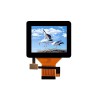
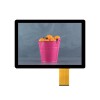


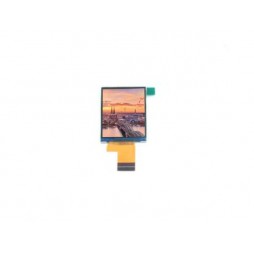 2.4inch 240*320 350nits MCU SPI tft lcd module for...
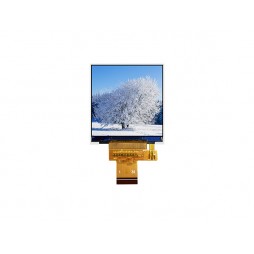 2.7 inch squrae LCD display full view 320xRGBx320...
 2.8inch 240*320 ILI9341 350nits SPI MCU lcd...
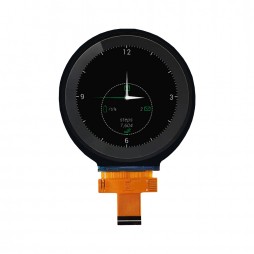 2.8inch round lcd module 480*480 mipi ips for...
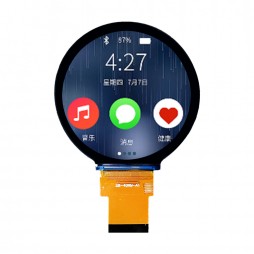 2.8inch 480x480 round lcd module 300nits RGB IPS...
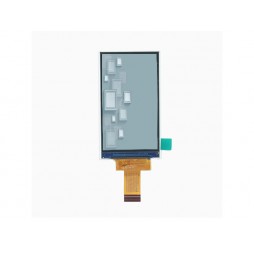 3.0 Inch TFT LCD Module 480x854, 800 Nits, MIPI,...
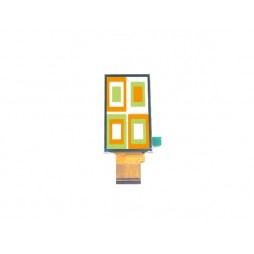 3.0inch 480*854 lcd 500nits MIPI SPI RGB IPS tft...
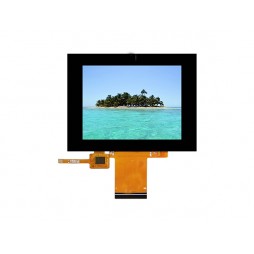 3.4inch 480*480 lcd with MIPI interface
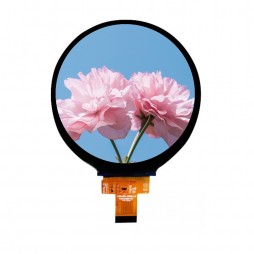 3.4inch 800*800 round lcd module 500nits mipi IPS...
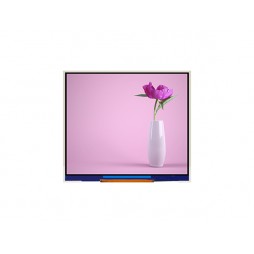 3.4inch 480*480 square display screen RGB IPS tft...
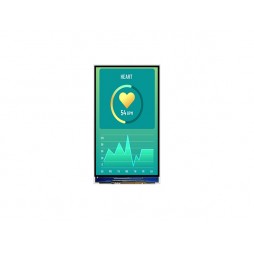 3.5inch320*480 SPI tft lcd display IPS lcd module
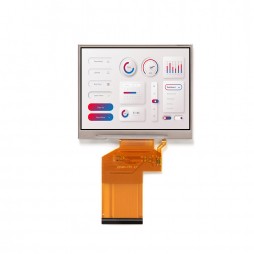 3.5inch 640*480 RGB landscape lcd display IPS...
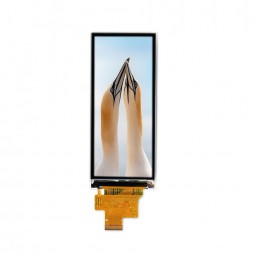 3.5inch 340*800 mipi IPS Bar type lcd display tft
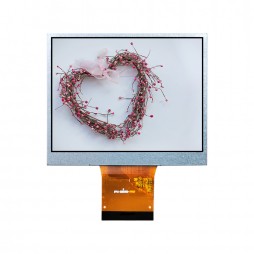 3.5inch 320*240 SSD2119 landscape tft display MCU...
 3.5inch tft lcd 320*480 MIPI IPS lcd module