


Products
Hot Product
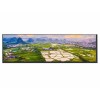 12.3 Inch Bar LCD Module 1920*720 1000 Nits LVDS IPS TFT LCD...
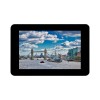 7.0 Inch 1280x800 LVDS LCD Module, 350 Nits for Navigation...
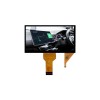 7.0 Inch 800x480 RGB TN LCD Module, 350 Nits for Smart Home...
 7.0 Inch 1200x1920 MIPI IPS LCD Module, 1500-2000 Nits for...
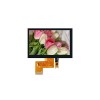 7.0 Inch 1024x600 1000 Nits MIPI IPS LCD with Anti-Glare for...
News
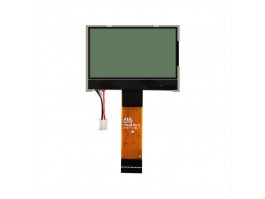
From Workbench to Enclosure: What Changes Monochrome Display Readability?
Nov 20 , 2026
On the workbench, the numbers are easy to read. Inside the finished
equipment, they become faint when the operator stands to one side.
Under another light source, the protective window reflects more
of the room than the screen.
The module has not...
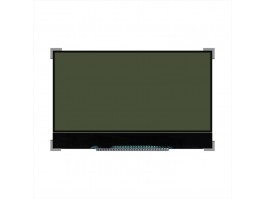
Monochrome Display Backlight On but No Image? An LCD Troubleshooting Guide
Nov 20 , 2026
The backlight turns on, but the screen shows no text. A character
module displays a row of dark blocks. A graphic LCD responds to
the firmware, yet the image is shifted or unreadable. These symptoms
can look like a failed monochrome display, but they do...
TFT LCD Module Integration: From Sample Evaluation to Mass Production
Oct 16 , 2026
Selecting a display is only the beginning of a successful product. Turning a TFT LCD module into a fully integrated, reliable component inside your device requires a structured process — from defining requirements and evaluating samples, through...

TFT LCD Module Interfaces: How to Choose Between SPI, RGB, MIPI and LVDS
Oct 16 , 2026
Choosing the right interface is often the first and most important decision in any TFT LCD module project. The interface determines which mainboard or SoC you can use, how complex your FPC and connector design will be, how much power the display consumes,...

High Brightness LCD vs Standard LCD: Total Cost of Ownership for Signage and Industrial Displays
Sep 09 , 2026
When specifying displays for signage, kiosks or industrial HMIs, the first number buyers compare is often the unit price. A standard 300–500 nits LCD is cheaper on paper than a 1,000–1,600 nits high brightness LCD. However, in bright environments the...
How Many Nits Do You Really Need? Brightness Levels for Indoor, Semi-Outdoor and Outdoor Displays
Sep 09 , 2026
Display brightness is one of the most misunderstood specs in signage and industrial projects. Buyers often assume “the higher the nits, the better”, but in real installations the right brightness level depends on ambient light, mounting position,...
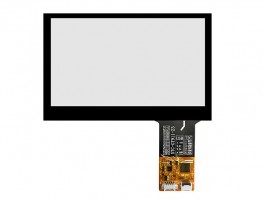
Projected Capacitive Touch Screen Technology: Working Principles and Design Details
Jul 16 , 2026
Understanding how projected capacitive (PCAP) touch screen technology works is essential for engineers and product managers who need to select the right touch solution for industrial and embedded systems.
Many people assume that all capacitive touch...
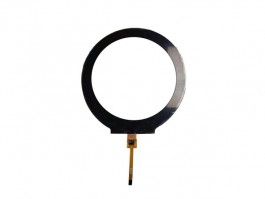
Capacitive Touch Screen Selection Guide for Industrial and Embedded Applications
Jul 16 , 2026
Choosing the right capacitive touch screen is not simply a matter of size or resolution. In industrial and embedded environments, the selection process directly impacts system stability, long-term reliability and user interaction accuracy.
Unlike...
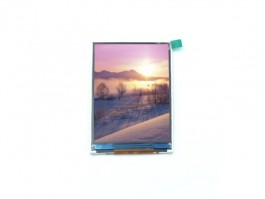
Which High Brightness LCD Is Ideal for Your Project? Complete 2026 Selection Guide
Jun 11 , 2026
Choosing the right High Brightness LCD isn't about maximum nits—it's about matching luminance to your specific lighting environment, viewing distance, and content type. A 2500-nit panel wastes energy and cost in a shaded indoor kiosk, while a 1200-nit...
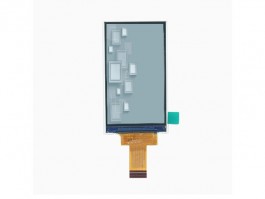
High Brightness LCD Buyer's Guide 2026 | Brightness, Contrast & Lifespan Specs
Jun 11 , 2026
When selecting a display for sunlight-exposed environments, brightness alone is insufficient. A true buyer's decision in 2026 requires analyzing contrast stability under glare, resolution density for text clarity, and long-term luminance decay rates. This...